Travel planning has a funny way of escalating. You start by looking for a long weekend somewhere sunny and, twenty minutes later, you are investigating a road trip across another continent while wondering whether you could realistically learn to scuba dive before breakfast. The Planet D is made for that kind of curiosity. Created by Canadian travel personalities Dave and Deb, the site has grown around extensive destination coverage, adventure travel, road trips and practical guides designed to help readers turn ambitious ideas into workable holidays. Its strength is the sheer variety of experiences covered, from major cities and classic sightseeing destinations to outdoor adventures and longer journeys. For travellers who want more than a pretty photograph and a caption telling them to “add this to your bucket list,” it provides the kind of background information that can actually move a destination from saved folder to departure board.
The Planet D destination guides help you work out where to go next
Choosing the destination can sometimes be harder than planning the holiday itself, particularly when half the world appears to be competing for your annual leave. The Planet D offers destination-focused content spanning numerous countries, cities and regions, making it useful during that slightly chaotic early stage when you know you want to travel but have not decided where. Instead of choosing purely from a viral photograph, readers can explore what different destinations actually offer and whether those experiences suit their interests. City lovers, outdoor enthusiasts, road trippers and travellers looking for classic attractions can therefore approach the site differently. Once somewhere catches your attention, consider season, available time and the type of holiday you genuinely want. A spectacular hiking destination is less spectacular if your personal definition of adventure is locating the nearest excellent restaurant, and there is absolutely nothing wrong with knowing that before booking.
The Planet D road trip guides make ambitious routes easier to understand
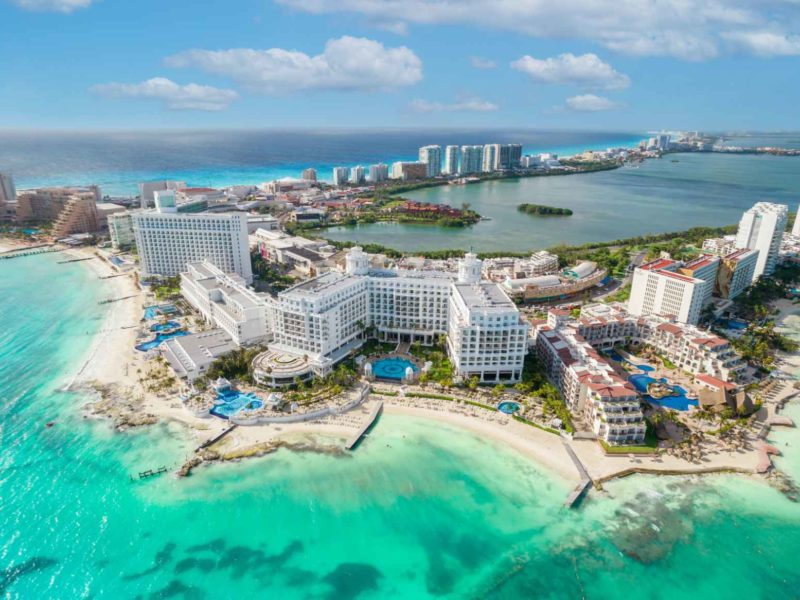
A road trip can deliver extraordinary freedom, but only when the itinerary acknowledges that humans require meals, sleep and occasional moments outside the vehicle. The Planet D has extensive road-trip content that can help travellers identify routes, attractions and potential stops before getting behind the wheel. The most useful way to approach these guides is to treat them as frameworks rather than challenges to complete every suggested location. Driving distances that look manageable on a map can become tiring when combined with sightseeing, weather, traffic and scenic detours. Leaving some unscheduled time creates space for the roadside viewpoint, interesting town or unexpectedly brilliant lunch stop that nobody planned. International drivers should also confirm current licence, insurance, toll and road requirements with official sources. The perfect road trip has enough structure to prevent chaos and enough flexibility to permit an enthusiastic “Wait, turn here!” without triggering a logistical crisis.
Adventure travel ideas go beyond simply collecting famous landmarks
For travellers who would rather do something memorable than spend the entire holiday observing attractions from behind a queue barrier, The Planet D has a strong adventure-travel angle. Its content explores outdoor activities and experience-led trips alongside conventional destination sightseeing, making it useful for readers who want to add hiking, wildlife, water-based adventures or other active experiences to an itinerary. The important step is matching an activity to your ability, comfort level and preparation rather than selecting it because the photographs look dramatic. Guided activities should be booked with reputable operators, and travellers should check relevant weather, equipment and safety requirements before participating. Adventure does not have to mean pushing yourself into an experience you dislike. For one person it may be an ambitious trek; for another, renting a bicycle in an unfamiliar city already provides precisely the desired amount of chaos.
The Planet D city guides help travellers prioritise when time is short
City breaks create an irresistible temptation to schedule breakfast at seven and continue sightseeing until somebody loses the will to admire another historic building. The city content on The Planet D can help travellers identify major attractions and experiences before deciding which ones deserve limited holiday time. A more enjoyable strategy is to select a handful of priorities and group nearby sights together, reducing unnecessary journeys across town. It also leaves room for neighbourhood walks, cafés, markets and those accidental discoveries that rarely appear on a rigid timetable. Travellers should check current attraction opening hours and reservation requirements directly before visiting, especially for popular sights. Seeing slightly less can actually produce a richer city break because you spend more time experiencing each place and less time staring anxiously at navigation directions while speed-walking toward the next museum.
Travel photography inspiration makes researching The Planet D surprisingly addictive
Visual storytelling is an important part of The Planet D, and that makes the site particularly useful when you are still comparing destinations. Photography can communicate the scale of landscapes, character of cities and atmosphere of outdoor experiences in a way that a basic list of attractions cannot. For travellers interested in improving their own holiday pictures, browsing strong travel imagery can also provide ideas about composition, perspective and the types of scenes worth watching for. Just remember that photographs capture a particular moment rather than guaranteeing identical conditions. Weather, season, crowds and time of day can completely change a location. Use beautiful images to fuel curiosity, then research what conditions are likely during your own visit. The internet may show an empty beach glowing beneath perfect sunset light; reality occasionally adds wind, clouds and a family unpacking seventeen inflatable flamingos directly beside you.
The Planet D works best when its guides are combined with current official information
Detailed travel blogs provide experience and context, but practical information can change after an article is published. Guides from The Planet D are therefore best used alongside current government advisories, tourism organisations, transport operators and official attraction websites. Travellers should independently confirm entry requirements, visas, opening hours, driving regulations, transport schedules and any health or safety information relevant to their trip. This is particularly important for international and adventure travel, where seasonal conditions or local regulations may affect an itinerary. The combination works well because each source serves a different purpose. Experienced travel writers can help explain what might be worth doing and how destinations fit together, while official resources provide the latest operational details. It is not the glamorous side of holiday planning, but neither is discovering at the airport that the document you needed is sitting comfortably at home.
The Planet D is for travellers who want bigger experiences with smarter preparation
The Planet D is particularly suited to travellers who enjoy combining famous destinations with road trips, outdoor experiences and a little more adventure. First-time visitors can use its destination guides to build an initial shortlist, city-break travellers can identify priorities, road trippers can explore possible routes, and more active travellers can find inspiration beyond conventional sightseeing. The depth of content means you may need to narrow recommendations according to your own interests rather than attempting everything mentioned, which is a healthy problem to have. Use the site to discover possibilities, compare potential experiences and sketch out an itinerary, then verify changing practical information through current official sources. The result should be a trip that feels organised without being over-engineered. After all, travel is considerably more fun when the biggest surprise is an incredible view rather than discovering you accidentally scheduled an eight-hour drive after lunch.