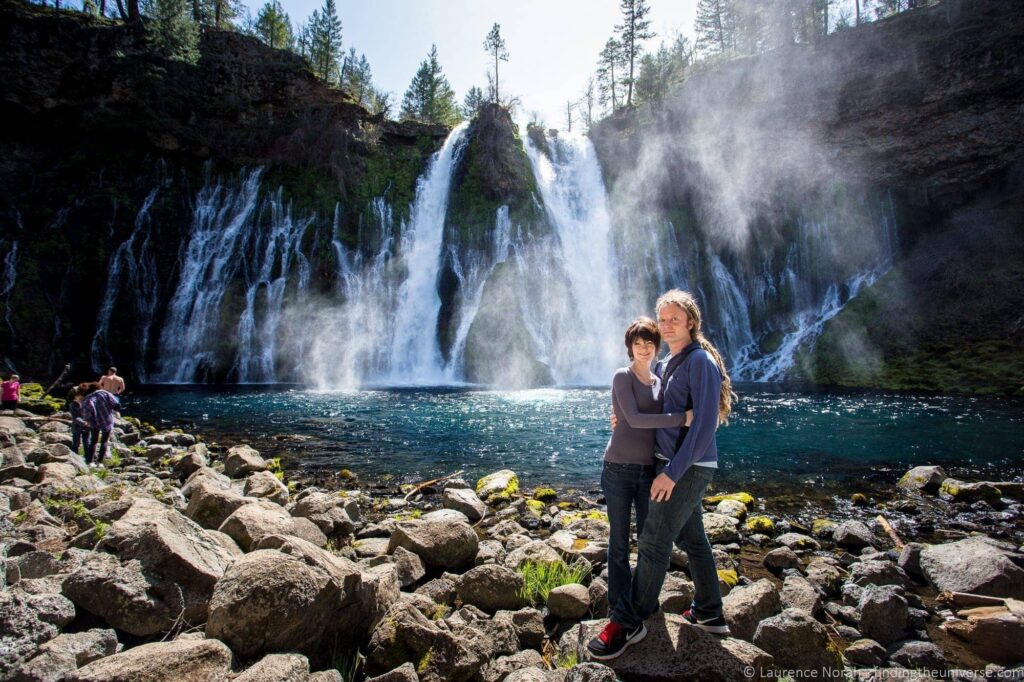
Planning a holiday usually begins with one innocent search and ends with seventeen browser tabs, three conflicting itineraries and a sudden need to understand an unfamiliar public transport system. Finding the Universe is built for travellers who enjoy the excitement of discovering somewhere new but would prefer the planning stage to feel slightly less like detective work. Created by travel writers Laurence and Jessica Norah, the site combines destination guides, detailed itineraries, photography advice and practical travel resources gathered from years of travelling around the world. Its appeal lies in depth rather than quick-fire inspiration. Instead of simply telling you that a destination is worth visiting, the guides help you think about what to see, how to structure your time and what practical details deserve attention. For independent travellers who like arriving with a plan but still want enough freedom for an unplanned café stop, this is a useful place to begin.
Finding the Universe travel guides help turn destination ideas into workable trips
A beautiful destination photograph can convince you to book a flight, but it cannot tell you how many days you actually need once you arrive. Finding the Universe provides detailed destination content that can help travellers move from vague inspiration toward a realistic itinerary. The site covers destinations across the UK, Europe and farther afield, with guides addressing attractions, routes and practical considerations rather than simply assembling lists of photogenic places. This makes the content particularly useful for independent travellers who prefer arranging their own trips instead of following a packaged schedule. The key is to use a guide as a framework rather than a compulsory checklist. If ten attractions are suggested and only six genuinely interest you, visit six. Holidays are considerably more enjoyable when you are exploring somewhere because you want to be there, rather than sprinting toward attraction number nine because an itinerary said Tuesday apparently demands it.
Finding the Universe itineraries are useful when holiday time is limited

Having only a few days in a destination makes prioritisation much more important, and this is where the itinerary-style content on Finding the Universe becomes particularly handy. A structured route can help travellers understand which attractions fit naturally together and where ambitious plans may require more time than expected. This is especially valuable for road trips and multi-stop holidays, where inefficient routing can quietly consume hours that would be better spent actually enjoying the destination. The sensible approach is to take the suggested structure and adapt it to your own pace. Families, photographers, food-focused travellers and people who enjoy slow mornings will naturally build very different versions of the same trip. A good itinerary should reduce logistical friction, not transform a holiday into a performance review where arriving at lunch twelve minutes late counts as missing a quarterly target.
Road trip guides make Finding the Universe particularly useful for independent travellers
Road trips offer enormous freedom right up until somebody realises that tonight’s accommodation is several hours in the opposite direction. Finding the Universe features road-trip and driving-focused travel content that can help readers think more carefully about routes, stops and realistic journey times. These guides are useful because road travel involves more than connecting destinations on a map. Drivers need to consider how much ground they genuinely want to cover, where worthwhile stops fit into the journey and whether spending half the holiday behind a steering wheel actually matches the experience they imagined. Travellers should always verify current road rules, parking restrictions, tolls, rental conditions and local requirements before departure. With those details checked, a thoughtfully planned driving itinerary can provide an excellent balance between structure and spontaneity, including the occasional roadside detour that becomes far more memorable than the attraction originally highlighted in the guidebook.
Travel photography advice adds something different to Finding the Universe
Travel guides are only one side of Finding the Universe, with photography forming another important part of the site’s identity. Laurence Norah’s photography background gives readers access to educational content designed to help them capture their travels more effectively, whether they are using dedicated camera equipment or developing broader photography skills. This makes the site particularly interesting for travellers who care about bringing home more than hurried snapshots of famous landmarks. Good travel photography is not simply about owning expensive equipment. Understanding composition, light, timing and basic camera controls can make a substantial difference, while learning when to put the camera away is equally valuable. Nobody wants to return from a spectacular sunset and realise they technically witnessed it only through a three-inch screen while adjusting settings with the concentration of somebody defusing a bomb.
Finding the Universe helps travellers compare practical options before booking
Flights and hotels may dominate the booking stage, but smaller decisions often determine how smoothly a trip actually runs. Finding the Universe includes practical travel content around topics such as transport, attractions, connectivity and trip-planning tools, giving readers another layer of research before committing to an itinerary. The benefit is particularly noticeable when several options appear to accomplish roughly the same thing. A transport pass, individual tickets, organised tour or rental car can each make sense depending on destination and itinerary. Rather than automatically choosing whichever option appears first in a search result, travellers can consider convenience, flexibility and their actual schedule. Current conditions and terms should always be confirmed with the relevant provider before purchase. Travel planning becomes much easier once every decision is judged by whether it improves your specific trip instead of whether somebody on the internet enthusiastically declared it “essential.”
Detailed travel blogs work best when combined with current official information
The depth of Finding the Universe can make its guides valuable during research, but even excellent travel articles cannot freeze destinations in time. Opening hours change, transport networks evolve, entry rules are updated and attractions occasionally decide that Tuesday is now the perfect day to close. Before travelling, readers should therefore verify time-sensitive details using official tourism organisations, transport operators, accommodation providers and government travel information. This is especially important for visas, border requirements, driving regulations and anything affecting health or personal safety. Travel blogs and official resources perform different jobs particularly well: experienced writers can explain how a journey fits together in practice, while official sources confirm the rules currently in force. Combining both creates a much stronger planning method than depending entirely on either one, particularly for complex itineraries involving several destinations.
Finding the Universe is for travellers who enjoy being prepared without overplanning

Finding the Universe is best suited to independent travellers who want more depth than a quick destination roundup can provide. First-time visitors can use detailed guides to understand unfamiliar places, road trippers can find inspiration for structuring longer journeys, photographers can explore advice for improving their travel images, and meticulous planners can dig into the practical details before booking. The trade-off is that comprehensive travel content requires more reading than a ten-second social video, but that extra context can be exactly what prevents unrealistic itineraries and avoidable logistical headaches. Use the site’s guides to create the bones of a trip, verify changing details through official sources and then deliberately leave some empty space in the schedule. After all, a well-planned holiday should make spontaneous moments easier to enjoy, not require you to consult a spreadsheet before ordering another coffee.